

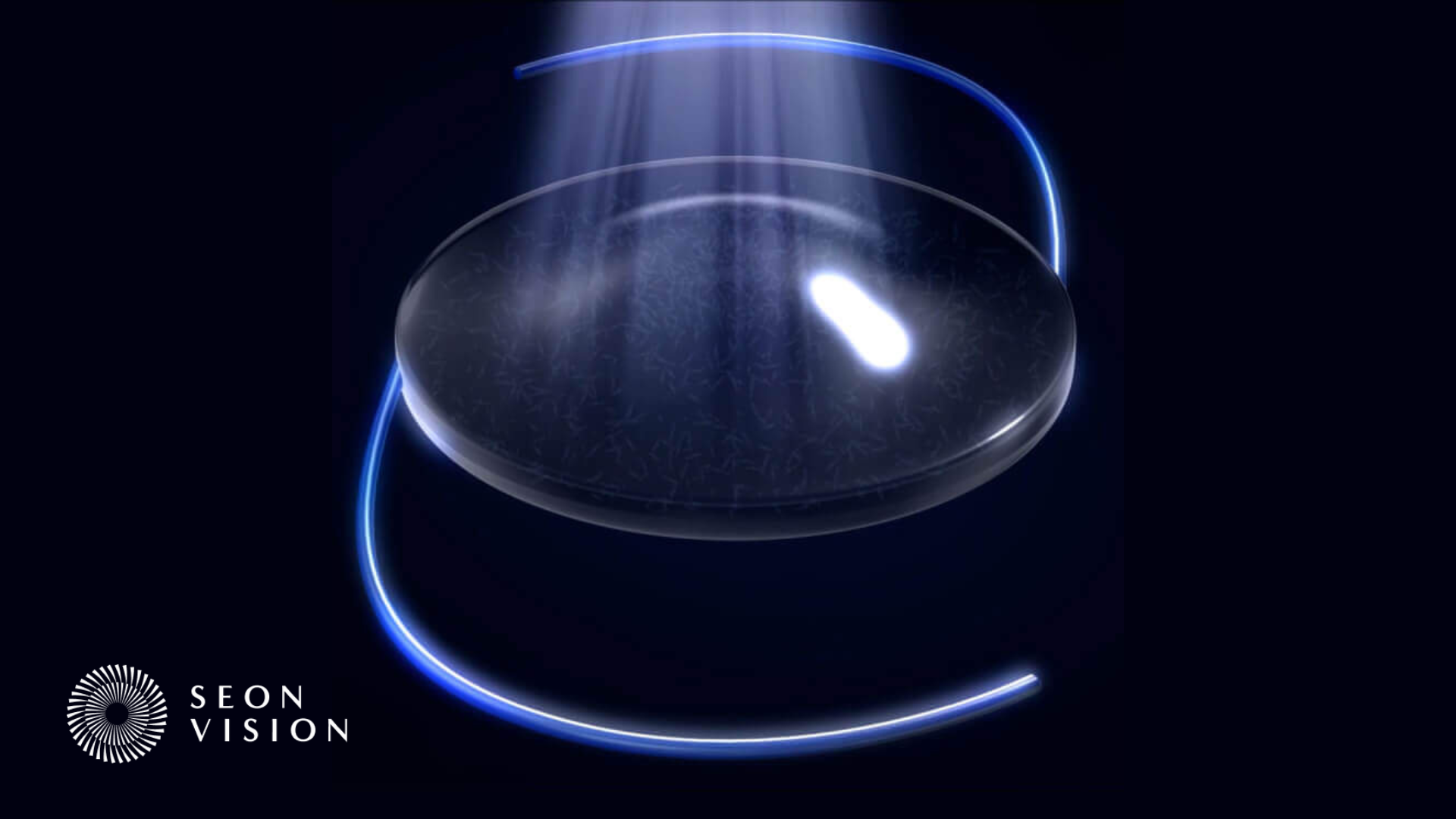
One of the most common questions patients have once they understand the basic concept of the Light Adjustable Lens (LAL) is exactly how much control they get over the final result. The short answer: up to three adjustments, before a final treatment locks your vision in permanently.
The Three-Adjustment Allowance Explained
Once your eye has healed from the initial implantation surgery, your surgeon uses a series of UV light treatments to reshape the lens and fine-tune your vision. You’re generally allowed up to three separate adjustment sessions, giving you the chance to assess how you’re seeing in real life between each one and request further fine-tuning if needed, before anything is made permanent.
Why a Limit Exists
The three-adjustment allowance isn’t arbitrary. It reflects a balance between giving you genuine flexibility to fine-tune your result and ensuring the lens material is only exposed to the level of UV light treatment it’s designed to safely tolerate. In practice, most patients reach a result they’re happy with well within this allowance.
What Happens at Each Adjustment Visit
Each adjustment session is brief and painless, carried out in-clinic using a specialised light delivery device. Your surgeon reviews how your vision has been performing since your last visit, discusses any further fine-tuning you’d like, and applies a precise light treatment to adjust the lens accordingly. You’ll then have a further period to assess your vision in daily life before your next visit.
What if I Need More Than Three Adjustments
In practice, this is uncommon, since most patients reach a satisfactory result within the standard allowance. If your surgeon feels additional fine-tuning is genuinely needed, this would be discussed with you directly, though the priority is always achieving a good outcome within the planned schedule wherever possible.
Locking In Your Final Result
Once you and your surgeon are both satisfied with your vision, a final “lock-in” treatment is carried out. This uses a different light pattern to permanently stabilise the lens material, meaning no further adjustments can be made afterward. From this point, the LAL functions like a fixed-power lens, with the key difference being that its final power was chosen based on your actual healed vision rather than a pre-surgical estimate.
Comparing to Lenses That Can’t Be Adjusted at All
Every other cataract lens on the market, including premium multifocal and toric options, is set to a fixed power before surgery and cannot be changed once implanted. If the result isn’t quite right, the only options are glasses, contact lenses, or further surgery. The LAL’s adjustment allowance is precisely what sets it apart: a genuine opportunity to fine-tune the outcome before it becomes permanent, rather than relying entirely on a pre-surgical prediction.
Frequently Asked Questions
How many times can the Light Adjustable Lens be adjusted?
You can have your LAL adjusted up to three times before your surgeon locks in the final result with a concluding treatment.
What happens after the third adjustment?
Once the agreed number of adjustments has been completed and you’re happy with your vision, your surgeon carries out a final lock-in treatment, permanently stabilising the lens at that setting.
Can adjustments be reversed?
Yes. Before the final lock-in treatment, any adjustment can be corrected or reversed if a particular setting doesn’t feel right, giving you a genuine safety net during the process.
What if my vision changes after lock-in?
Once locked in, the LAL behaves like a standard fixed-power lens and cannot be further adjusted through light treatment. Any future vision changes, such as those related to ageing, would be managed the same way as with any other cataract lens.
Curious how the LAL’s adjustment process could work for your eyes? Book a consultation with our LAL specialists.


