


Glaucoma isn’t a single condition with a single cause. It’s a group of related eye diseases that all damage the optic nerve, usually, though not always, linked to raised pressure inside the eye. Knowing which type you have shapes the entire treatment plan, so it’s worth understanding how they differ.
What All Types of Glaucoma Have in Common
Every form of glaucoma involves progressive damage to the optic nerve, the structure that carries visual information from the eye to the brain. Left untreated, this damage causes gradual, permanent loss of peripheral vision, and eventually central vision in advanced cases. Because early vision loss is often unnoticeable, regular eye examinations are the main way glaucoma is caught before significant damage occurs.
Open-Angle Glaucoma
Open-angle glaucoma is the most common type, developing gradually as the eye’s natural drainage system becomes less efficient over time, causing pressure inside the eye to rise slowly. It typically has no early symptoms and progresses slowly over years, which is why it’s often called the “silent thief of sight.”
Angle-Closure Glaucoma
Angle-closure glaucoma occurs when the drainage angle in the eye becomes physically blocked, which can happen gradually or, in some cases, suddenly. An acute angle-closure episode is a genuine eye emergency, causing sudden eye pain, redness, blurred vision, and nausea, and requires immediate treatment to prevent rapid, permanent vision loss.
Normal-Tension Glaucoma
Normal-tension glaucoma causes the same pattern of optic nerve damage as other forms of glaucoma, but occurs even when eye pressure remains within the normal range. It’s thought to involve other factors affecting blood flow to the optic nerve, and is generally diagnosed through the same nerve and visual field assessments used for other glaucoma types.
Secondary Glaucoma
Secondary glaucoma develops as a result of another underlying condition or event, such as eye injury, inflammation, certain medications, or other eye diseases, rather than developing on its own. Treatment typically needs to address both the glaucoma itself and, where possible, the underlying cause.
Why the Type Affects Your Treatment Plan
Treatment approaches differ meaningfully between types. Open-angle glaucoma is often managed initially with eye drops or laser treatment to improve drainage, while angle-closure glaucoma may require urgent laser or surgical intervention to relieve the blockage. Normal-tension and secondary glaucoma often need a broader assessment to identify contributing factors before a treatment plan can be finalised.
Getting an Accurate Diagnosis
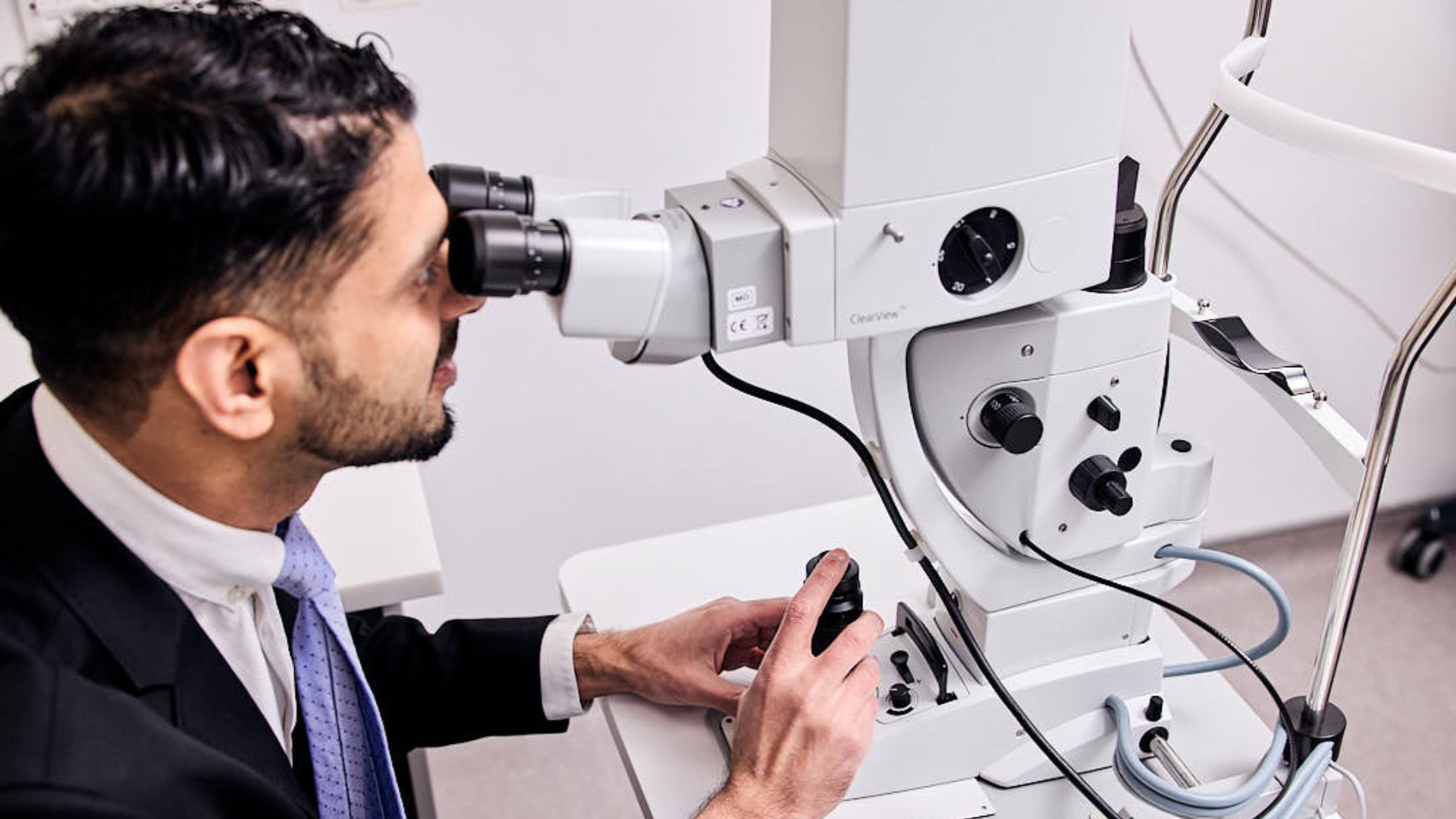
Diagnosis typically involves measuring eye pressure, examining the optic nerve directly, testing peripheral vision, and assessing the eye’s drainage angle. Because symptoms are often minimal or absent until damage has already occurred, particularly with open-angle and normal-tension glaucoma, regular eye examinations remain the most reliable way to catch glaucoma early, when treatment is most effective at preserving vision.
Frequently Asked Questions
What is the most common type of glaucoma?
Open-angle glaucoma is the most common form, developing gradually as the eye’s drainage system becomes less efficient over time, usually without noticeable early symptoms.
Is angle-closure glaucoma an emergency?
An acute angle-closure episode is a genuine eye emergency, requiring immediate treatment due to sudden eye pain, redness, blurred vision, and the risk of rapid, permanent vision loss if untreated.
Can you have glaucoma with normal eye pressure?
Yes. Normal-tension glaucoma causes the same pattern of optic nerve damage as other forms of glaucoma, despite eye pressure remaining within the normal range.
How is the type of glaucoma diagnosed?
Diagnosis typically involves measuring eye pressure, examining the optic nerve, testing peripheral vision, and assessing the eye’s drainage angle, allowing your specialist to identify which type of glaucoma is present and plan treatment accordingly.
Concerned about your risk of glaucoma or due for a check? Book a consultation with our glaucoma specialists.


