

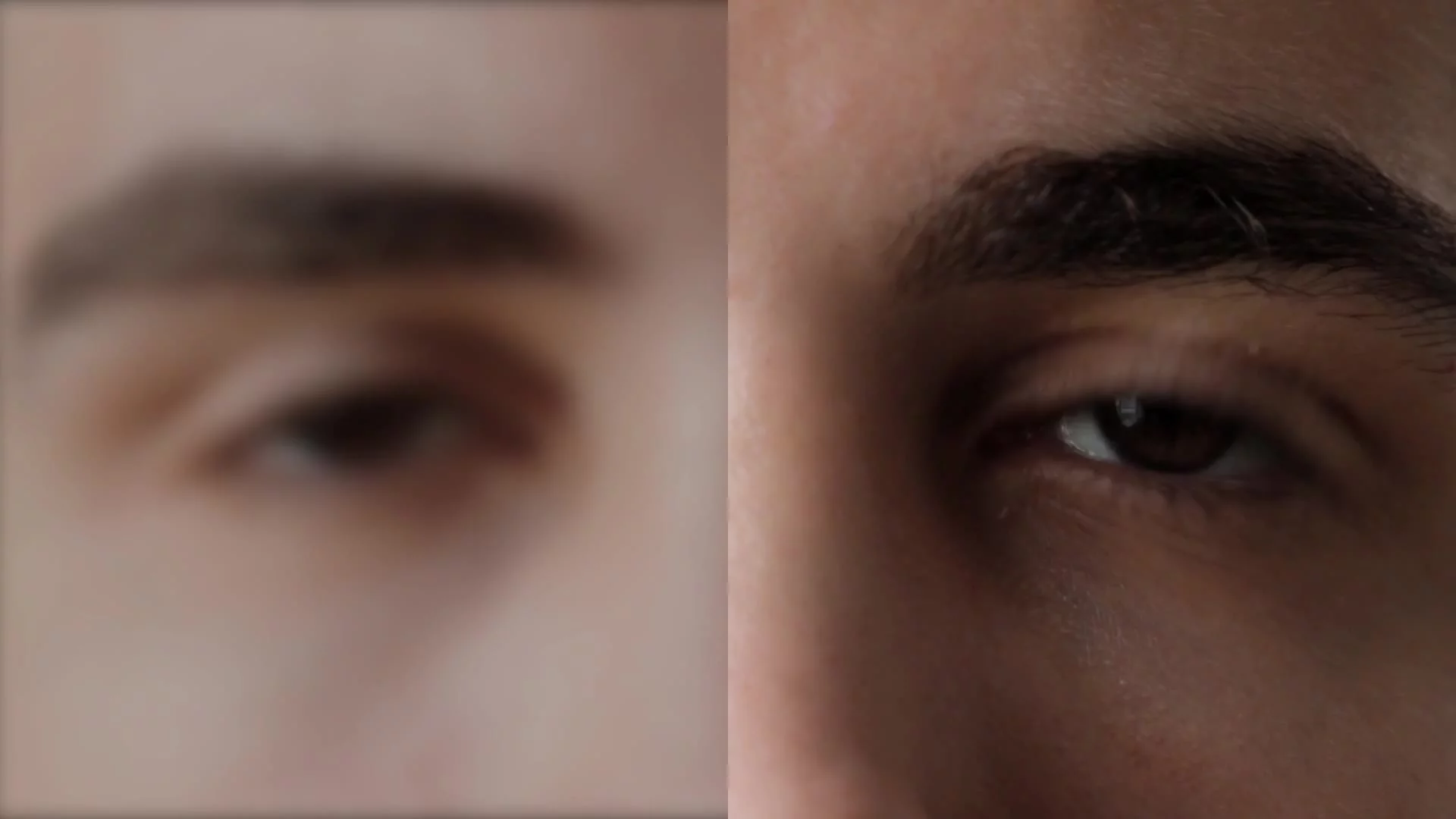
If your vision has started to feel a little duller than it used to, you’re not imagining it. Cataracts develop gradually, which is exactly why so many people put off asking the question that really matters: is it time to do something about it?
There’s no single “right” moment that applies to everyone. But there are clear signs that tell you when cataracts have moved from a minor inconvenience to something worth acting on. This guide walks through what cataracts actually are, the symptoms to watch for, and how to know when surgery becomes the sensible next step.
What Are Cataracts?
A cataract forms when the natural lens inside your eye, which is normally clear, becomes cloudy. This happens as proteins within the lens break down and clump together over time, scattering light instead of letting it pass through cleanly. The result is vision that looks increasingly hazy, faded, or blurred.
Cataracts are most commonly linked to ageing, though they can also develop due to long-term UV exposure, certain medications (such as steroids), diabetes, previous eye injury or surgery, or in rarer cases, be present from birth. They’re one of the most common eye conditions worldwide, and in the UK alone, hundreds of thousands of cataract operations are carried out on the NHS and privately each year.
Because the change happens slowly, many people adapt without realising it. It’s often a family member, an optician, or a moment of frustration, like struggling to read a menu in a dim restaurant, that brings the problem into focus.
Common Signs Cataracts Are Worsening
Cataracts don’t announce themselves overnight. Instead, they tend to creep in through small changes that build up over months or years.
Difficulty Driving at Night
One of the earliest and most noticeable signs is trouble driving after dark. Oncoming headlights may appear to glare or halo more than they used to, and road signs or lane markings can seem harder to pick out. Many patients tell us they’ve started avoiding night driving altogether, long before they connect the dots to their vision.
Blurred or Cloudy Vision
As the lens clouds further, vision can take on a hazy or foggy quality, almost like looking through a smeared window. Colours may appear washed out or slightly yellowed, and fine detail, such as text on a page or a face across the room, becomes harder to make out clearly, even with an updated glasses prescription.
Other common symptoms include increased sensitivity to bright light or sunlight, needing more light to read comfortably, seeing halos around lamps or headlights, and finding that your glasses prescription seems to change more frequently than before. Some people also notice double vision in one eye specifically.
When Should You Consider Surgery?
There’s a common misconception that cataracts need to be “ripe” before they can be treated. In reality, modern cataract surgery doesn’t require you to wait until your vision has deteriorated significantly. The right time is genuinely personal, and it comes down to one central question: is your vision affecting your daily life?
You might want to book a consultation if you’re finding it harder to drive safely, particularly at night, if reading, screen use, or close work has become genuinely tiring or difficult, if hobbies like sewing, golf, or watching television have lost their enjoyment because of poor clarity, if you’ve had a fall or near-miss you suspect was linked to poor depth perception, or if your optician has flagged cataracts during a routine eye test and recommended a referral.
Some people choose to have surgery relatively early, once symptoms start interfering with the things they value, such as work, hobbies, or independence. Others prefer to wait until the impact is more pronounced. Neither approach is wrong. What matters is having an honest conversation with an ophthalmologist about how your vision is affecting your quality of life, rather than trying to self-diagnose from symptoms alone.
What Happens During Cataract Surgery?
Cataract surgery is one of the most commonly performed and well-established procedures in modern medicine, and for good reason: it has a strong track record of safety and effectiveness.
The procedure typically involves removing the cloudy natural lens and replacing it with a clear, artificial intraocular lens (IOL). It’s usually carried out under local anaesthetic as a day case, meaning you go home the same day, and most patients describe it as far more straightforward than they expected. The operation itself generally takes around 15 to 20 minutes per eye.
There’s also a decision to make around lens choice. Standard monofocal lenses correct vision at one distance, usually for distance vision, meaning you may still need glasses for reading. Premium options, including multifocal or extended depth-of-focus lenses, can reduce dependence on glasses across a wider range of distances. Your consultant will talk through which option suits your lifestyle, prescription, and eye health.
Recovery and Outcomes
Recovery from cataract surgery tends to be quicker than people anticipate. Many patients notice an improvement in clarity and brightness within a day or two, although it can take a few weeks for vision to fully settle and stabilise.
In the days following surgery, it’s normal to experience some mild grittiness, light sensitivity, or blurred vision, which typically eases quickly. You’ll usually be given eye drops to reduce inflammation and the risk of infection, along with guidance on protecting the eye, such as avoiding rubbing it and steering clear of swimming pools for a couple of weeks. Most people are back to their normal routine, including driving once vision meets the legal standard, within a few days to a week.
Cataract surgery has one of the highest patient satisfaction rates of any surgical procedure, and complications are uncommon when performed by an experienced surgeon.
Expert Opinion from SEON Vision Consultants
“Patients often tell us they wish they’d come in sooner,” says Mr Nizar Din, Consultant Ophthalmologist at SEON Vision. “There’s a tendency to normalise gradually worsening vision, especially in a generation that was told to ‘wait until it’s really bad.’ But surgery today is quick, safe, and the outcomes are excellent. If your vision is holding you back from things you enjoy, that’s reason enough to have a conversation with a specialist.”
Frequently Asked Questions
What are the first signs of cataracts?
Early signs often include slightly blurred or hazy vision, increased glare from lights (especially at night), colours appearing less vivid, and needing brighter light to read comfortably. These changes are usually gradual rather than sudden.
Can cataracts be treated without surgery?
There’s currently no medication, eye drop, or non-surgical treatment that can reverse or cure cataracts. In the early stages, symptoms can sometimes be managed with a stronger glasses prescription or brighter lighting, but surgery is the only way to remove a cataract once it’s affecting your vision significantly.
Is cataract surgery painful?
Most patients report little to no pain during the procedure, as it’s performed under local anaesthetic with numbing eye drops. Some mild discomfort, itchiness, or grittiness afterwards is common but generally short-lived.
How long does cataract surgery recovery take?
Initial recovery is typically quick, with many people noticing clearer vision within a few days. Full healing and stabilisation of vision can take up to four to six weeks, though most daily activities can be resumed well before then.
Ready to find out if cataract surgery is right for you? Book a consultation with a SEON Vision specialist for a thorough assessment and honest advice tailored to your eyes.


